Unring.mp3
Unring.mp4
Unring-Reggae.mp3
Unring-Reggae.mp4
Unring-intro.mp3
[Intro]
Oh, well
(Can’t unring the bell)
How absurd… (It’s not even a word)
[Verse 1]
So, I’ve been told
Many times along the road
No matter how old
Today is today
No matter your mode
[Chorus]
Oh, well
(Can’t unring the bell)
How absurd… (s’ not even a word)
Haven’t you heard
(Or couldn’t you tell)
Scatter the heard
[Verse 2]
Yes, indeed
Best not impede
The will of the ill
If you recede
The will succeed
Of falling from the hill
[Chorus]
Oh, well
(Can’t unring the bell)
How absurd… (s’ not even a word)
Haven’t you heard
(Or couldn’t you tell)
Scatter the heard
[Bridge]
Here it’s been told
(Hear — so I’ll grow old)
The tail of our fail
(Flail! Woe, whoa woe, oh, oh)
Don’t cha know
(Wail! Woe, whoa woe, oh, oh)
[Outro]
[Instrumental, Guitar Solo]
So, I can live another day
(The world hears what I say)
The tail of our fail
(Flail! Woe, whoa woe, oh, oh)
Don’t cha know
(Wail! Woe, whoa woe, oh, oh)
ABOUT THE SONG
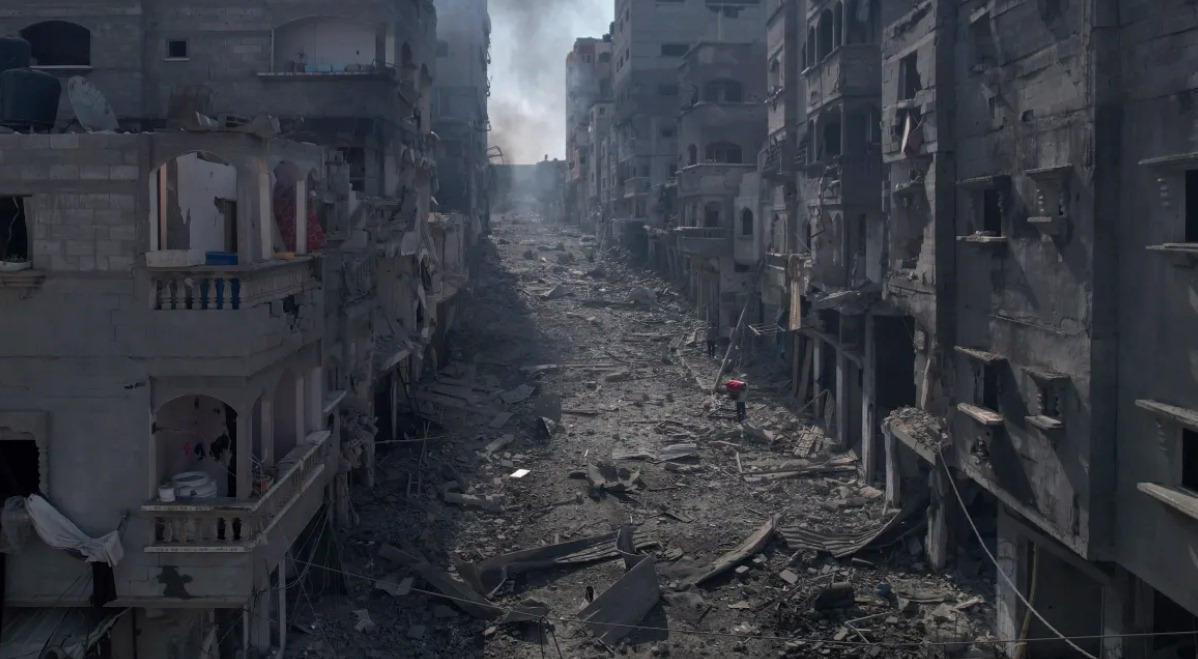
“Unring” captures the irreversible moment when I choose to speak the truth publicly, even under threat, knowing that once that truth is released to the world, it cannot be silenced or hidden again.
The opening verse, “No matter how old, today is today,” reflects my decades of investigative work and the experiences that led me to this moment—understanding that there is never a wrong time to speak out. Despite the personal danger, I know that publishing the truth about the genocide in Gaza is necessary and urgent.
The chorus, “Can’t unring the bell,” symbolizes the point of no return once I publish the truth. Once the bell of truth rings—once I tell millions of people what is happening—it cannot be unrung, undone, or unpublished, no matter the pressure from those in power. It is also a declaration of protection: by making the truth public, I make myself safer, forcing accountability through exposure.
“Scatter the heard” plays on “scatter the herd,” reflecting how my work disrupts blind followers and the systems of silence, breaking the collective complicity that allows genocide and oppression to continue unchallenged.
The second verse, “Best not impede the will of the ill,” is a warning that silence out of fear only allows the corrupt (“the ill”) to continue unchecked. It reflects the reality that if I recede into fear, the systems of oppression and war crimes will continue to thrive.
The bridge, “Here it’s been told… Hear, so I’ll grow old,” expresses my understanding that speaking the truth openly is not only my duty but also my shield, allowing me to “live another day.” The cries in “Flail! Woe, whoa woe,” mirror the grief I witness daily—the children in Gaza who are shot at, the families bombed, the journalists silenced—grounding my personal act of truth-telling within the collective suffering that demands my voice.
The instrumental outro offers a breath between chaos, representing the moment the world pauses to listen, holding the weight of what I have revealed.
In essence, “Unring” is my anthem of accountability and defiance:
Once I tell the truth, there is no taking it back, and that is precisely why it must be told.
THE TRUTH
We are witnessing a dangerous erosion of First Amendment rights in the United States, where the government aligns itself with genocide abroad while persecuting those who resist it at home. This moment demands clarity: opposing genocide is not antisemitism, and demanding an end to apartheid is not hate speech. The real danger lies in the authoritarian structures that criminalize truth-telling while facilitating war crimes with impunity.
My background on this is important to understand. I am an investigative journalist with decades of experience in publishing and litigation, including over a decade spent in court defending the First Amendment. I have faced threats to my life and the safety of my family many times because of my commitment to exposing the truth. In this particular moment, the danger is even more severe.
I am a descendant of the Tribe of Judah, which makes me a Semite. Even more significantly, I am part of a bloodline that includes Princess Diana, and some believe it traces back to Jesus himself. This lineage has been targeted for centuries by those in power, from the Vatican to the Freemasons, seeking to erase it. Despite these risks, I believe it is necessary to speak out. Silence in the face of genocide, apartheid, and the suppression of truth is not an option, no matter how significant the personal cost.
Perhaps most urgently, I want to share what I recently explained to a friend who asked whether it would be safer to discuss Gaza in person over coffee rather than here:
“I think both are important. It would be great to get together, and I’d enjoy seeing you again. At the same time, I know it’s best for me to discuss these things publicly. Once I publish the truth to millions of people, it actually makes me safer. My bigger concern is for those around me.
Have you seen my post about Ahmed Alkhateeb? Since I started sharing his situation, his children were shot at. I’m aware that Israeli intelligence knows everything going in and out, including his location, and that’s what truly worries me. So yes, I believe it’s important to keep saying these things here.”
I am sharing this here because it also relates to our friends in Gaza and the harsh reality of surveillance and risk tied to our activism. My main concern now is the “flow of money.” Anyone who donates to GoFundMe campaigns or other aid channels supporting Gaza is at risk of arrest or jail under the current U.S. crackdown on speech and activism. More critically, those funds can be traced to specific mobile phones in Gaza, putting recipients at extreme risk of being located and executed. This is something we need to consider carefully as we move forward, balancing our urgent desire to help with the grave dangers imposed by the systems we are fighting.
This is a moment that requires courage, clarity, and collective action. We cannot allow authoritarianism to dictate who lives and who dies, who speaks and who is silenced. If we believe in freedom, it must include the freedom to call out genocide—and the freedom to stand in solidarity with those who suffer under it.
Evangelical Christianity and Israel
If you’re curious about the driving force behind US support for Israel, it’s ironically rooted in Evangelical Christianity. Many Evangelical Christians believe they can hasten the “second coming of Christ” by bringing about the apocalypse. According to their interpretation of the Bible, this involves Israel reclaiming Jerusalem, Jesus returning, and ultimately eliminating all Jews. For numerous “Christian Zionists,” especially influential evangelists aligned with the Republican Party, support for Israel is less about political strategy and more about its supposed role in biblical prophecy. In this worldview, war is not something to be avoided but embraced as a divine necessity—an inevitable and even celebratory step toward Jesus’ rule from the Temple Mount in Jerusalem. The fate of Jews and Palestinians is, to put it mildly, seen as collateral damage.
- The False Claims of Ownership: Israel, Gaza, and the Hypocrisy of Power
- Trump’s Push for Mass Deportations: Palestinians and U.S. Immigrants in the Crosshairs
- Roger Waters Faces Prosecution for Opposing Genocide in Gaza
- Behind Closed Doors: Netanyahu and Trump’s Plan to Turn Gaza Into a Giant Prison for Ethnic Cleansing
- Watching Genocide in Real Time
- How Bombing Iran Creates the Greatest Modern Threat to U.S. Homeland Security
- Unauthorized and Unraveled: Trump’s Reckless War with Iran Has Unleashed Global Peril
- Trump’s Complicity in Global War Crimes: Ukraine, Gaza, and Iran
From the album “Shot“
Also found on the album “Reggae Modern Day“
Trumpenomics: The Decline of the US